October 29, 2026
Flintlock in Hand
One shot, then run and reload. How the flintlock's loop was built, why the gun kept passing through the hunter's palm, and the new howl that goes with it.
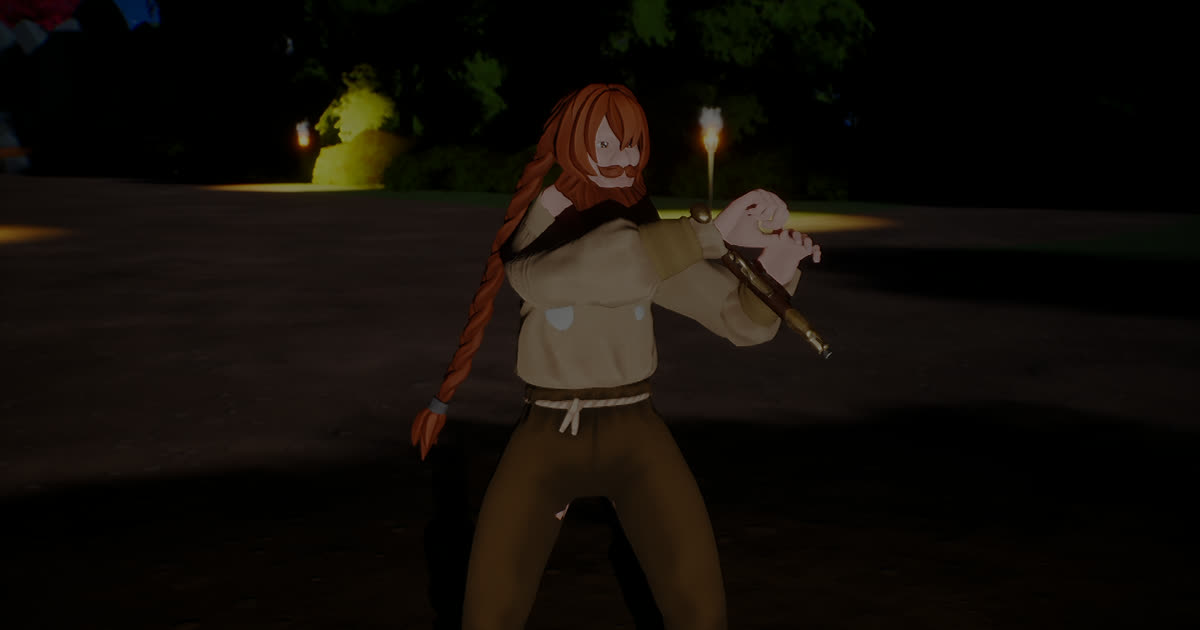
The flintlock is the weapon that most defines the period the game lives in, and it is the one we have rebuilt the most. This is the story of the pistol from the first version of its loop in August to the grip fix in the middle of September.
Fire, run, reload
A flintlock is a single shot. That is not a limitation we wanted to smooth over; it is the whole character of the weapon. So the loop is built around it. The gun is either loaded or it is not. Pull the trigger on an empty pan and you get a dry click and nothing else. Reloading is a full animation with a moment inside it where the ball is actually seated, and if you are interrupted before that moment, the reload is lost. There is recoil, a kick to the camera, and a stamina cost, because reloading a pistol while a werewolf closes on you should feel like work.
The same pass made the creature side fair to fight against a gun. A creature commits to a facing when it attacks, so you can read where the swipe is going. Its attacks respect a block and a parry. There is a light flinch when a shot lands, with a cooldown so you cannot stun-lock it, and its big swipe has a visible wind-up you can dodge. Fire, step back, reload, fire again became a rhythm you can actually play.
The gun in the palm
Then playtesters started sending screenshots of the pistol sticking out of the hunter's hand. The lock sat inside the fist and the stock passed clean through the fingers. The cause was simple: the pistol was attached to the same socket as a sword handle, and a sword's grip is nothing like a pistol's.
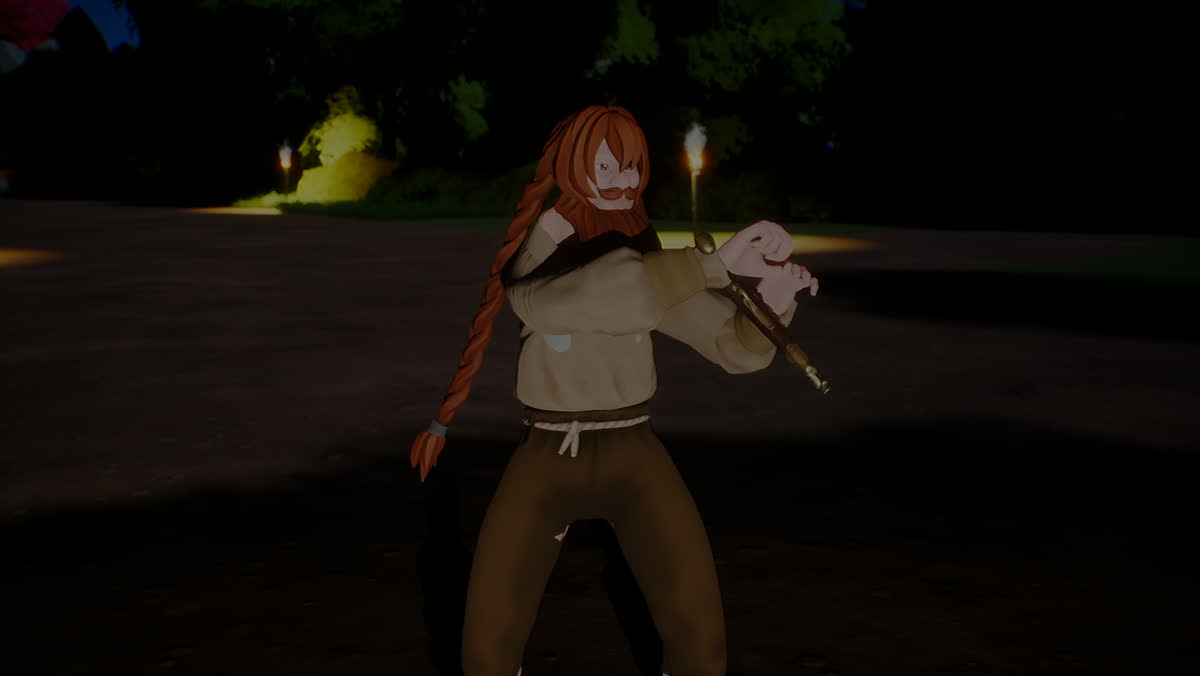
It took two tries. The first gave the pistol a stance of its own, a two-handed aiming pose from the animation set, because the pistol had been borrowing a dagger's guard pose that froze the legs. The second gave both hunter bodies a dedicated pistol socket on the hand, then solved exactly where the grip sits.
Solving it was more work than it sounds. The screenshot rig now prints the position of every finger bone in the hand, and it turned out that the pocket the grip should sit in is between the palm and the fingertips, not centred on the knuckles, which is where our first three attempts had put it. We found the trigger bone by temporarily moving the muzzle onto it and reading where the rig said the muzzle was. The final grip puts the butt against the heel of the palm on both bodies, in the same place in the world, and the pistol grew by half along the way because at its original size it disappeared behind the hand. One side effect: the muzzle socket had been authored in the wrong space and sat thirty-five centimetres below the gun, so muzzle flashes had been appearing at the hunter's knee. They come from the barrel now.
The low howl
The same week the werewolf got a new voice. The old howl was a stock creature roar we had lived with since the prototype. The new one is a deep, uneasy, ultra-low howl, five seconds long, mixed quieter than the old one so it sits under the forest rather than on top of it. It plays both as evidence through the horn and as the telegraph before a hunt, and it changes the feel of the moment the creature turns on you more than any tuning number we have touched.
What's next
An aim offset so the barrel lines up with the view, and a split between the arms so the left hand can hold a torch while the right one aims, with the torch hidden for the length of the reload. And the sounds. The flintlock still has no fire, dry-fire, reload or impact audio, which is the loudest silence in the build.