November 4, 2026
Guns, Spells and Tonics
A catch-up from May: the sprint that gave hunters ranged weapons, magic and consumables, gave creatures personalities, and gave the crosshair a settings page.
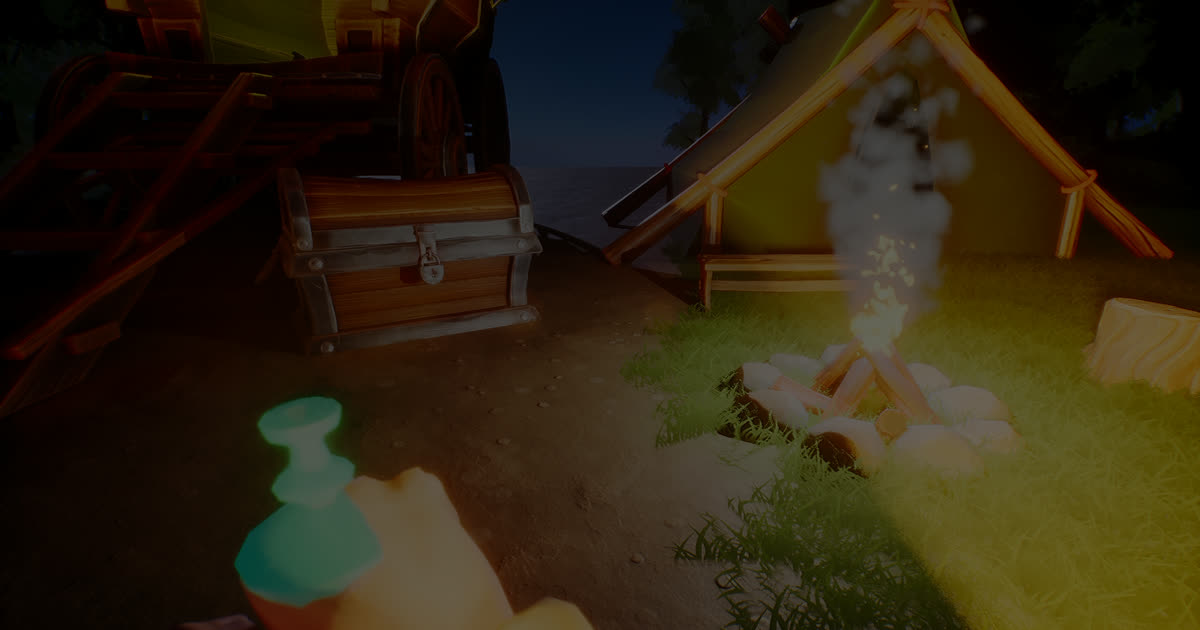
We have been writing these posts about work from late summer onward, but the game did not stop between the April update and August. This is the first of a few catch-up posts on the spring, and it covers the biggest single sprint of that stretch: the one that turned combat from a sword and a werewolf into a toolbox.
Three ways to hurt something
Ranged weapons came first. Guns are either hitscan, a line from the camera with damage that falls off past a full-damage range, or projectile, a physical shot spawned from the muzzle along your view. Both are validated on the server, so fire rate cannot be cheated, and both deal damage through the same resistance table every creature already had, which is why silver and iron matter to a gun exactly as they do to a blade.
Magic came second. Every spell has a cooldown and a stamina cost, both checked on the server before anything fires. Spells come in three shapes: a projectile, an area burst around a point, and a buff that plays out through the casting animation. The fire wand and the staffs in the game today are built on these three shapes, and so, on the other side of the fight, is the witch.
Consumables came third. A tonic can heal, or it can be a deterrent: use one and every creature's targeting simply stops counting you for a while, and a physical ward appears where you stand. Holy water works this way. It is the closest thing the game has to a panic button, and it costs a crafted item every time.
Creatures with personalities
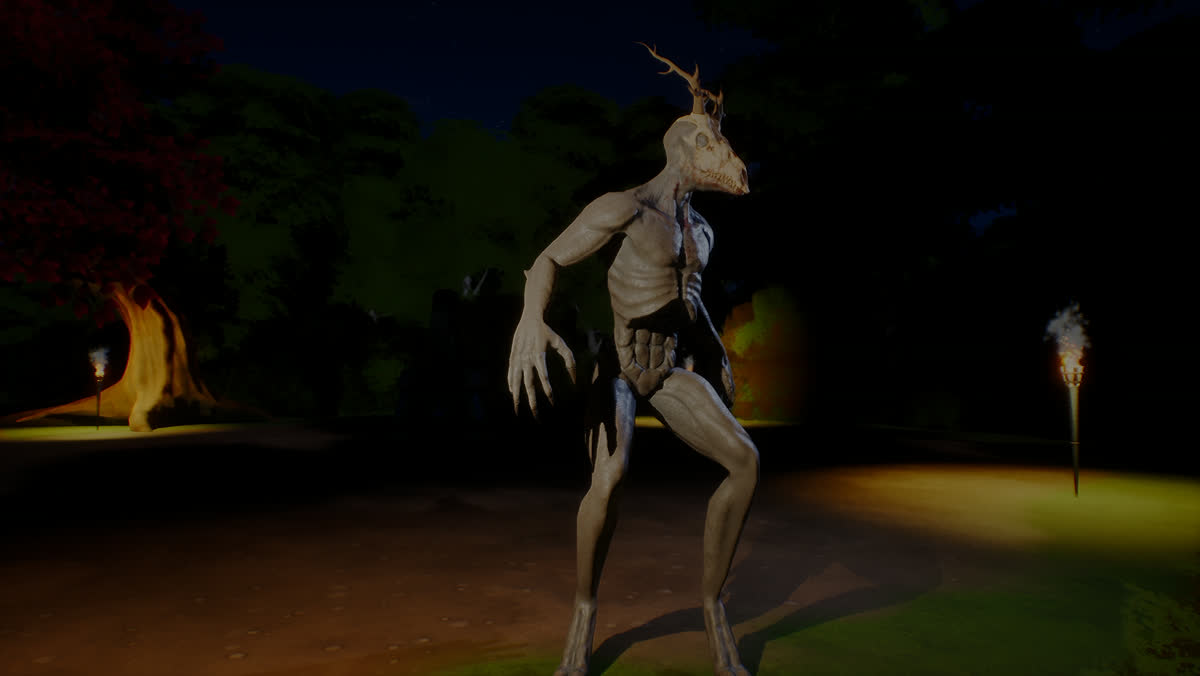
The same sprint gave the creature AI something it badly needed: archetypes. Instead of one behaviour with different numbers, each creature has a behaviour profile that sets how it moves and, more importantly, what it is allowed to do. Does it lunge and retreat, or maintain distance and cast? Can it use ranged attacks during a hunt? Does it sprint to ambush? Is it hard to lose once it has you? Does it approach in disguise? Can a hit interrupt it, or does it commit through the pain?
Those flags are why the werewolf can be staggered by a good shot and the Wendigo cannot, why the Skinwalker walks up to you wearing a friend's face, and why the witch keeps her distance. They also gave the investigation phase a new trick: a creature that wants to pressure you can now close to range silently before it acts, invisible to you the whole time, so a scare comes from where it should rather than from wherever the creature happened to be standing.
The small stuff
Hunt modifiers, which we have written about since, were first wired in this sprint: multipliers on the damage you deal, the stamina you spend and the healing you receive, applied everywhere those numbers are computed. And the crosshair got a settings page. Dot, cross, circle or combinations of them, in your colour, size, thickness and opacity, saved with your profile, because a game with a flintlock in it should let you decide how much of the screen the crosshair takes.
What's next
This sprint was the skeleton, and most of what we have written about since has been putting muscle on it: the flintlock loop, hunt outcomes, the reaction system. The remaining catch-up posts cover the spring's other work, on saving, settings and the town's first villagers.