November 3, 2026
Running Well on Ordinary Hardware
A first-run benchmark that picks your settings, a resolution slider, and the day we turned off two expensive rendering features that bought nothing you could see. Frame rates more than doubled.
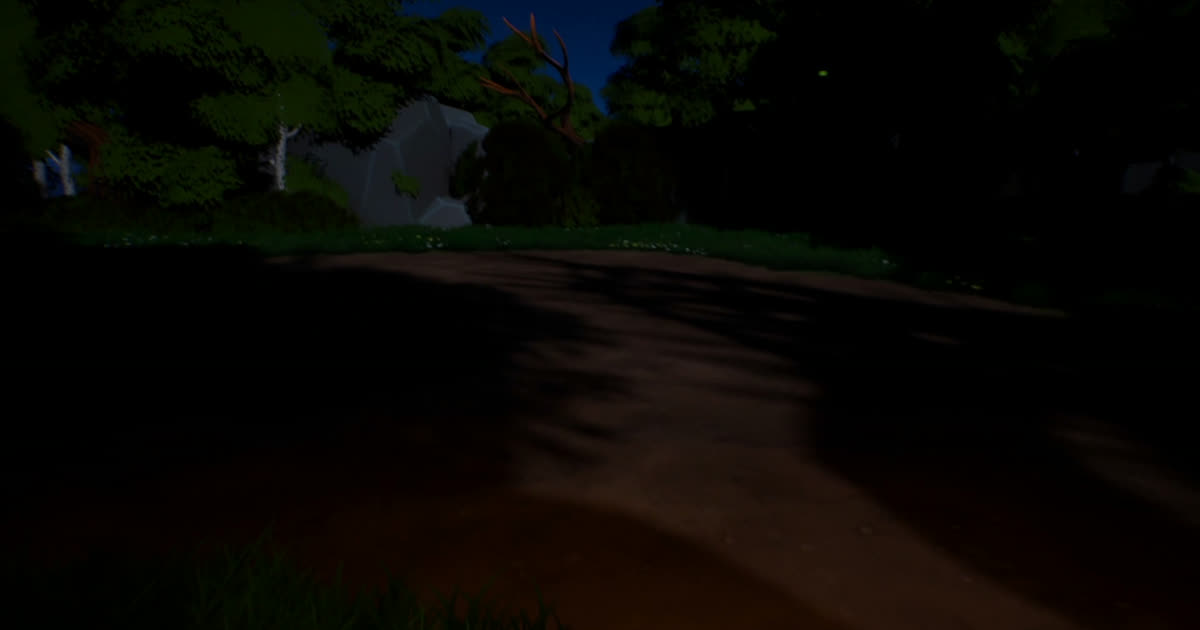
We develop on a machine with an integrated graphics chip, not a gaming card. That is worth saying up front, because a lot of decisions in this post come from watching the game run there and deciding that if it is not good on that, it is not good. Two sprints, one in August and one in September, were about making the game run well on the hardware most people actually own.
Let the game pick
The August pass added the plumbing. The first time a packaged build runs on a desktop machine, it benchmarks the hardware and applies the scalability preset the engine recommends. You never see a settings screen you did not ask for; the game just starts at a level the machine can hold. Resetting the settings to defaults deliberately runs the benchmark again next launch, so a new graphics card gets a new answer.
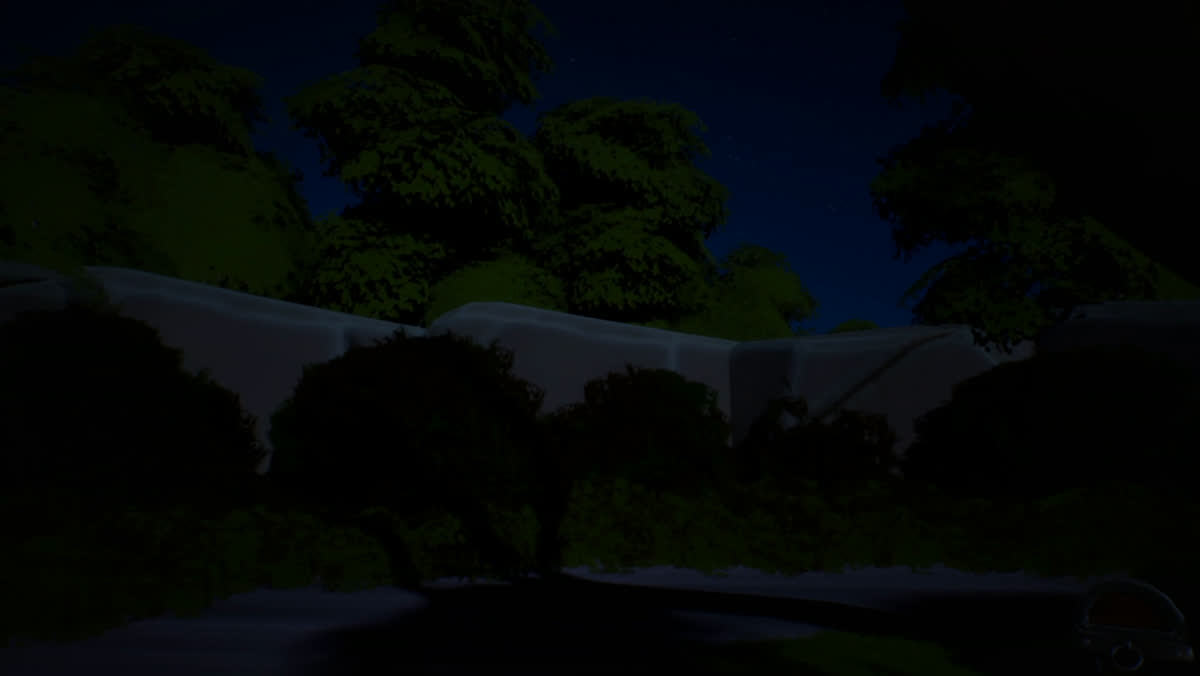
The settings screen also got a resolution scale slider, from half resolution up to full, applied the moment you release it. On a stretched machine, dropping the render resolution a little is the single cheapest way to buy back a smooth frame, and the game's painted style hides it better than most.
The same pass prepared device profiles for the console targets we are planning for, encoding decisions we had already made about what a smaller console can afford: no hardware ray tracing, no virtual shadow maps, a lower software lighting quality, a three-quarters render resolution and a cap on texture streaming. Those profiles sit inert until the console toolchain is installed, but the decisions are written down where the engine will read them.
Turning things off
The September pass was the one that mattered. Our combat test map was running at twelve frames per second on the development machine at the highest quality preset, and the main menu, which has almost nothing in it, at thirteen. A frame-stats logger we added to the build made the cause plain: the GPU was spending around fifty milliseconds a frame, on the menu, before any gameplay existed to blame.
Two features were eating it: hardware ray tracing and virtual shadow maps. Both are excellent for a photoreal game. Ours is painted, with soft shapes and flat colour, and after a side-by-side we could not find a single frame where either one was doing anything a player would notice. So they are off, in the project, for everyone. Software lighting stays, because it is what makes torchlight bounce off the trees and the moon fill the clearings.
The numbers, on the same machine at the highest preset:
| Scene | Before | After | | --- | --- | --- | | Main menu | 13 fps | 32 fps | | Combat test map | 12 fps | 44 fps |
The game now ships with a default of the High preset at eighty percent render resolution, which on the same machine holds the combat map between the low thirties and the mid fifties depending on what is on screen.
What's next
Frame rate is a feature we will keep reporting on, because a horror game that stutters is not scary, it is annoying. The next performance work is on the forest map itself, where foliage density is the main cost, and on a proper options screen that exposes what the benchmark chose so you can see it and change it.