October 13, 2026
The Forest Keeps Score
A creature's nature now shows in the world before you ever see it: wayside shrines, a hoard in the den, holy ground that wakes or stays dark. And a creature you spare remembers you.
Every creature you hunt has a nature as well as a kind. A werewolf can be a frightened thing that kills because it cannot help it, or a cruel one that enjoys it, and the contract you take does not tell you which. You are meant to judge that yourself, and the choice at the end, to kill or to spare, is the moral heart of the game. This sprint was about giving you honest evidence for that judgement, out in the world, before the fight.
Nature never lies
The evidence that tells you what a creature is can be faked. The Skinwalker exists to fake it. But the evidence that tells you what a creature is like never lies. That is the rule behind everything here: type clues may deceive, nature clues do not.
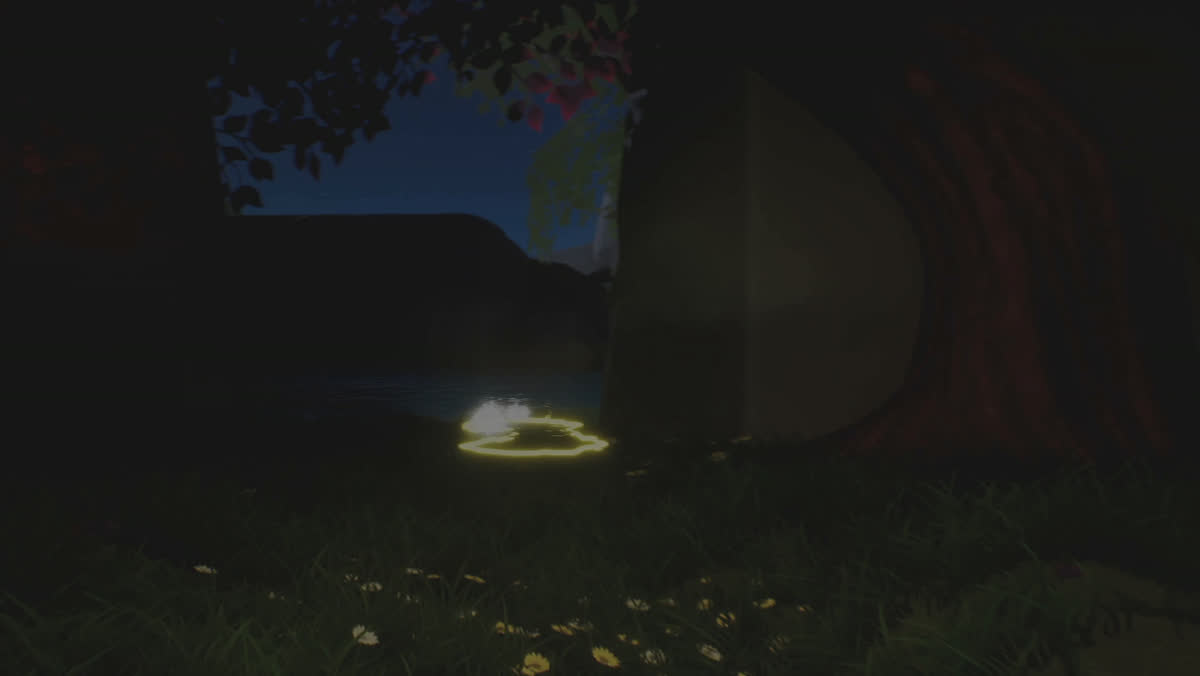
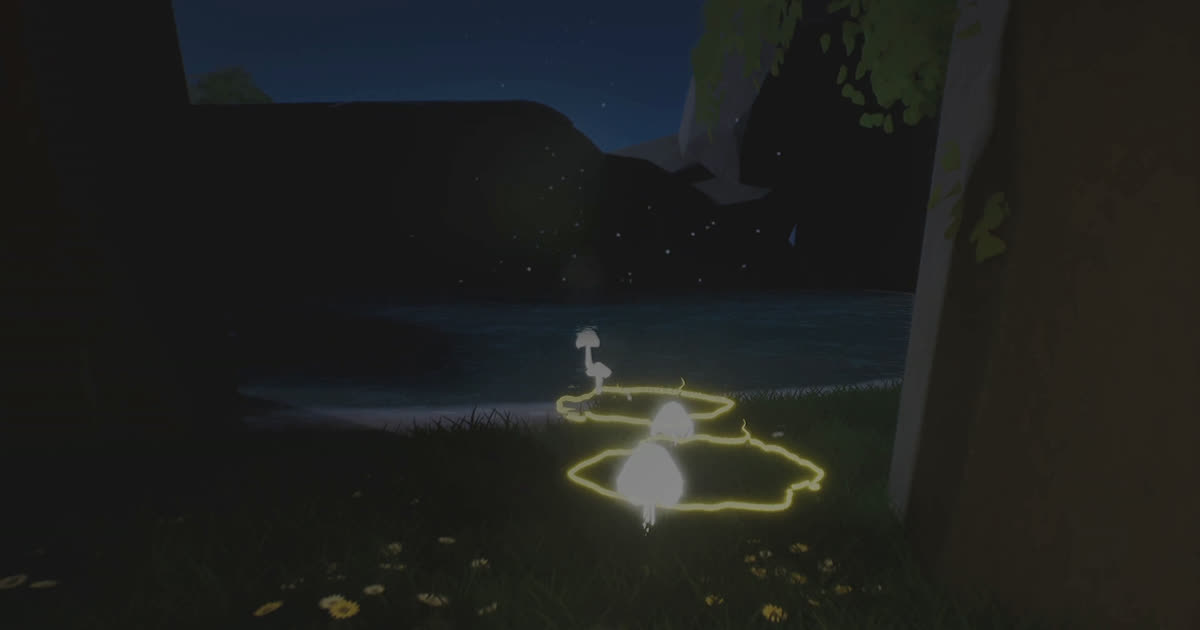
The forest already had two of these tells. There is holy ground and cursed ground, and each one reacts to the creature's morality. When a good creature is in the woods the holy pool wakes. When an evil one is, the cursed ground stirs. Dead, dark ground is as much a sign as lit ground, if you know to look.
This pass added a third tell for the creatures in between, whose morality sits near the middle of the scale and leaves both patches of ground quiet. A wayside shrine stands on the road: a stone figure, an offering bowl, a candle. A greedy creature plunders it, and you find the bowl empty and the candle out. A generous one leaves gifts, bread and flowers on top of the coins, with the candle burning bright. Anything else leaves it untouched. Read the shrine and its state goes into your notebook. You can also rob it yourself, if the offering is still there: five gold, and the forest notes that you did.

A greedy creature leaves one more sign. It hoards. When greed is rolled, an extra chest appears inside the creature's den, and finding a chest in a lair is itself a clue. It also takes theft personally. Open a chest anywhere on the map and a greedy creature's threat rises, more for each one you open. Rob its hoard and the pressure is nearly instant. Take the shrine's coins and it notices that too. And the heat lands on the thief, not the party, so the one who could not keep their hands off the loot becomes the one it comes for.
All of this reaches the notebook as a page called "Signs of its nature", and the page only ever records what the party actually walked through or read: whether the pool woke or stayed dark, whether the cursed ground stirred or lay dead, what the shrine looked like. It never tells you the answer. It shows you your own evidence.
The one you left alive
The other half of this sprint is about consequence. If you spare an evil creature, the town remembers, and so does the save file. The next evergreen contract that could roll that kind of creature is taken over by it. The posting says as much: the thing you left alive is still out there, and it has learned from you.
It comes back the same creature, same kind and same nature, but changed by what you did. Each time it is spared it returns more aggressive, less willing to leave evidence, and less merciful. Angrier and quieter. Kill it and the town forgets. Spare it again, once its nature has turned, and the town lets it go. Story contracts are never overridden by this, but the everyday postings on the board now carry your history with them.
A bug that hid all of it
Building the tells turned up a gap that had been in every real hunt for months. The debug shortcut we use to start a hunt from the editor applied the creature's rolled personality fully: its behaviour caps, its pressure kit, the mercy value its AI reads. The real flow, from the town board through the wagon into the forest, applied only the creature's identity. Every real hunt was running a creature with default traits and no mercy at all. That is fixed now, and both paths share one piece of code, which means the natures we have been designing finally show up in the hunts people play.
What's next
The shrine's dressing is placeholder in places; the figure and bowl are final, but scattered coins, a knocked-over candle and proper gift props are still to come. The returning creature needs a face in the notebook so you recognise it, and the tells want a home in more maps than the one forest. And now that a creature's nature actually drives its behaviour in real hunts, the next round of playtests is about whether you can feel the difference between a cruel werewolf and a frightened one.